Understanding Desktop Publishing
Desktop publishing (DTP) is the process of using computer software to create visual documents that can be printed or shared digitally. This technique combines text and graphics to produce professional-quality publications, making it an essential skill for designers, marketers, and businesses looking to enhance their communication materials.
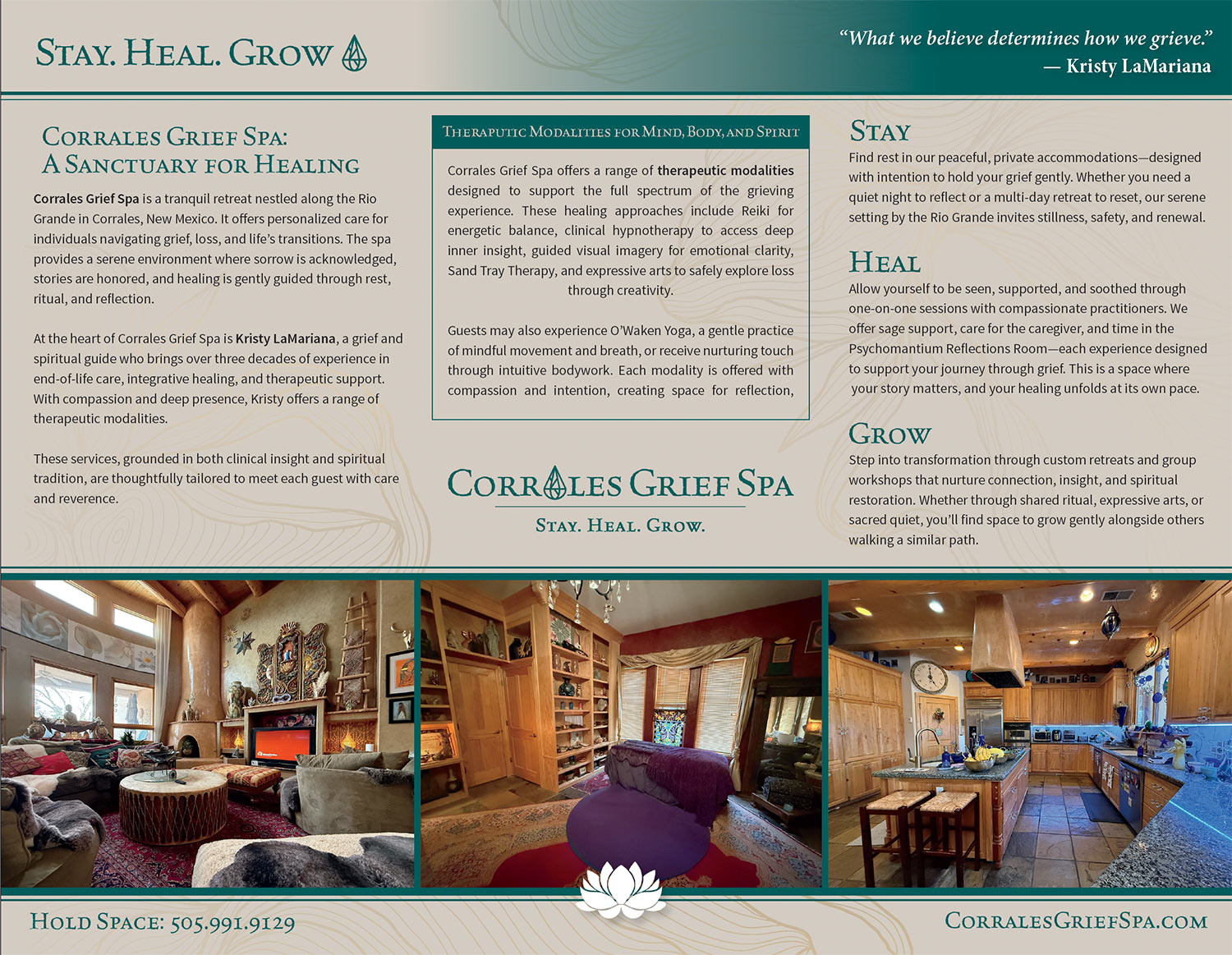
With desktop publishing, users can design brochures, flyers, newsletters, and more, ensuring that their content is visually appealing and effectively conveys their message. Popular DTP software includes Adobe InDesign, QuarkXPress, and Microsoft Publisher, each offering unique features that cater to different design needs and expertise levels.
Key Elements of Effective Design
Effective design in desktop publishing hinges on several key elements, including layout, typography, color theory, and imagery. These components work together to create a cohesive and engaging visual experience that captures the audience's attention and communicates the intended message clearly.
For instance, a well-structured layout guides the reader's eye through the content, while appropriate typography enhances readability and establishes a brand's personality. Utilizing color theory can evoke emotions and highlight important information, while high-quality images can significantly increase the overall impact of the publication.
Common Mistakes in Desktop Publishing
Many individuals and businesses make common mistakes in desktop publishing that can detract from the effectiveness of their materials. These include overcrowding layouts with too much text or imagery, using inconsistent fonts and colors, and neglecting to proofread for errors.
To avoid these pitfalls, it’s crucial to maintain a balance between visuals and text, ensure consistency in design elements, and thoroughly review all content before finalizing a publication. Implementing best practices will help achieve a polished and professional look that resonates with the target audience.
Best Practices for Desktop Publishing
To achieve optimal results in desktop publishing, adhering to best practices is essential. This includes planning the layout before diving into design, choosing the right software for the project, and understanding the target audience's preferences and needs.
Additionally, utilizing templates can streamline the design process and ensure consistency, while keeping accessibility in mind will broaden the reach of the publication. Regularly updating skills and staying informed about design trends can also enhance the quality of the output and maintain relevance in a competitive market.