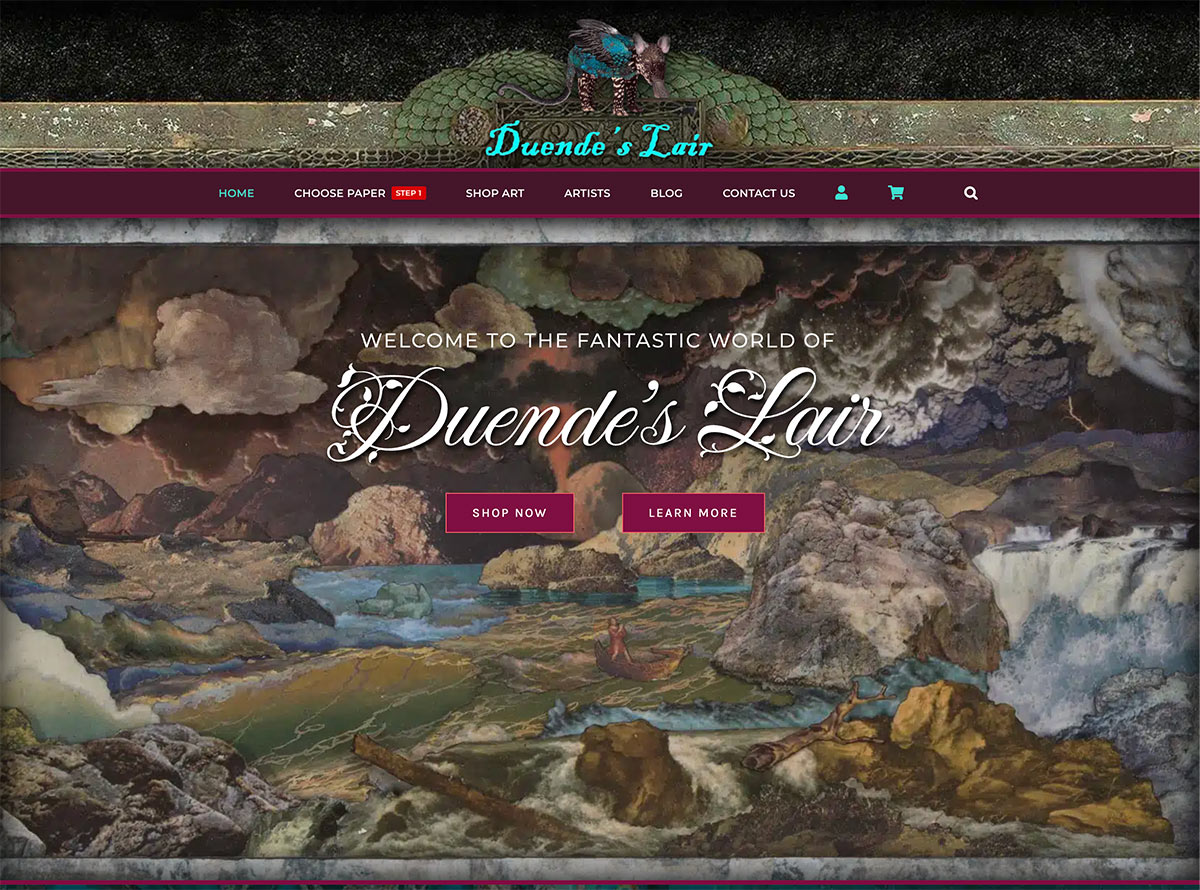
Understanding the Importance of Web Design
Web design is a critical component of a successful online presence, as it serves as the first point of interaction between a business and its potential customers. A well-designed website not only attracts visitors but also keeps them engaged, ultimately leading to higher conversion rates.
Investing in quality web design can enhance user experience, improve brand credibility, and increase search engine rankings. For instance, websites with intuitive navigation and appealing aesthetics are more likely to retain visitors, encouraging them to explore services and products offered by the business.
Key Elements of Effective Web Design
Effective web design encompasses several key elements, including layout, color scheme, typography, and imagery. Each aspect plays a significant role in conveying the brand's message and ensuring that users can easily navigate the site.
For example, a clean and organized layout can help users find information quickly, while a cohesive color scheme can evoke specific emotions and enhance brand recognition. Additionally, using high-quality images and readable typography contributes to a visually appealing experience that encourages user engagement.
Digital Marketing Strategies to Complement Web Design
Digital marketing strategies are essential for maximizing the impact of a well-designed website. These strategies can include search engine optimization (SEO), social media marketing, and email campaigns, all aimed at driving traffic to the site and converting visitors into customers.
By integrating digital marketing efforts with web design, businesses can create a seamless user journey. For instance, optimizing website content for relevant keywords can improve visibility in search engine results, while strategic social media posts can direct users to specific landing pages, enhancing overall engagement and conversion rates.
Trends Shaping the Future of Web Design
Staying updated with the latest trends in web design is crucial for maintaining a competitive edge in the digital landscape. Trends such as minimalism, dark mode, and interactive elements are influencing how websites are designed and experienced by users.
In 2025, we can expect to see more websites adopting immersive experiences, such as augmented reality features and personalized content. These innovations not only enhance user engagement but also provide businesses with unique ways to showcase their products and services, thereby improving customer satisfaction and loyalty.