Reactive Web Design For The Google SEO Leak 2024

In 2024, being active online is a must for any business that wants to stay relevant and grow. An increasing number of individuals now turn to the internet to shop, conduct research, and engage with brands. Having a strong presence on the web—through great reactive web design, smart SEO, and active social media—helps businesses reach their audience and stand out from the competition. Let’s break down why these elements matter and how they work together to help businesses succeed.
Social media isn’t just for connecting with friends; it’s also a powerful tool for businesses to reach customers. With platforms like Instagram, LinkedIn, and Facebook, companies can share their story, promote products, and create a loyal following. Businesses that use social media well can grow their brand and build trust with their audience.
About the Author: Mike Jennings is one of the founders and lead developer at Design It Right, a national digital marketing agency. With over 30 years of experience building websites and growing businesses online, Mike has worked with clients across New Mexico, Texas, California, and beyond. Questions? Reach him at [email protected].
Reactive Web Design: Creating a Great User Experience
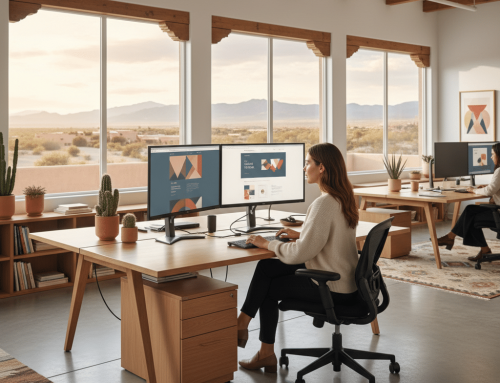
These days, people expect a website to work well on any device they’re using, whether it’s a phone, tablet, or computer. That’s where reactive web design comes in. This kind of design makes sure a website looks good and is easy to use no matter how you view it.
Our take: the Google SEO leak confirmed what most experienced practitioners already knew — links, user signals, and site authority matter more than any on-page optimization trick. Build something worth linking to.
We’ve been building websites in Albuquerque since before Google existed. The businesses that weathered every algorithm update had one thing in common: they built for real users in their actual market, not for search engines.
- Why It’s Important: If a website is slow, difficult to navigate, or poorly optimized for mobile devices, visitors are likely to leave quickly. A well-designed, reactive website is easy to explore and helps keep visitors engaged, making them more likely to stick around.
- Boosting Conversions: Responsive web design is vital for businesses that want to maximize click-through rates. Consider a potential customer visiting a business’s website on their mobile device. If the site loads fast and is easy to use, they’re more likely to check out the products, read the info, and maybe even make a purchase or reach out to the business. A site that’s easy to use can make a big difference in getting new customers.
- Web Design Trends for 2024: In 2024, web design is all about simplicity, accessibility, and speed. Many sites use clean layouts, dark mode, and interactive elements, but it’s essential they work seamlessly on mobile devices. Using media queries and following best practices in API documentation ensures sites adapt smoothly across different screen sizes and user needs.
The Power of SEO and Google’s Latest Updates
How Search Behavior Changed Post-2024
Search Engine Optimization (SEO) helps a website show up in search results when people look for related products or services. In 2024, SEO is still super important, but Google’s algorithm updates now put more focus on quality, speed, and a good user experience.
- Why SEO Matters: When people search for a product or service, they usually click on one of the top results. Effective SEO enhances a website’s ranking, increasing its visibility and making it easier for users to discover. With most online activity starting with a search engine, missing out on SEO means losing potential visitors.
- What’s New with Google’s Updates: Recently, Google’s updates—sometimes called Google algorithm leaks—have emphasized ease of use and quality. Known as the Google SEO Leak 2024, these changes reward websites with fast load times, intuitive navigation, and valuable content. For businesses, this means that having useful, well-organized information on their site is just as important as including the right keywords.
- Long-Term Benefits of SEO: Unlike ads that disappear when you stop paying, SEO is an investment that keeps paying off. If you set up a site with strong SEO, it can keep bringing in visitors over time. The more domain authority a site builds up in search engines, the easier it is to rank for popular keywords and attract even more people. Effective internal linking is also an important part of SEO, helping visitors find relevant content within your site and improving user interaction.
Using Social Media to Build Brand Authority
What Reactive Design Means in Practice
- Connecting with Customers: Social media lets brands communicate directly with their audience. Answering questions, sharing customer photos, or hosting live Q&As helps build relationships with followers and makes the brand feel more relatable and trustworthy.
- Keeping Up with Social Media Trends: Video content, influencer partnerships, and interactive features like polls are big in 2024. Platforms such as TikTok and Instagram Reels are ideal for delivering concise, engaging video content. When businesses use these trends, they stay relevant and reach more people who are interested in what they offer.
- Consistent Branding Matters: Using the same logo, colors, and tone of voice across all social media helps build a strong identity. Consistent branding makes it easy for people to recognize and remember a brand, no matter where they see it. For instance, a business might share informative tips on LinkedIn, behind-the-scenes insights on Instagram, and customer testimonials on Twitter, all while maintaining a consistent brand style.
Why It’s Important to Combine Reactive Web Design with Social, and SEO
Integrating Design, SEO, and Social Into One Strategy
The businesses that grow online aren't doing three separate things — they're running one integrated system. Your website's design affects your SEO. Your SEO affects which social content gets amplified. Your social media activity signals trust back to Google. When these three operate in silos, you leave compounding growth on the table.
For Albuquerque businesses, the opportunity is significant. Most local competitors are either strong in one channel or inconsistent across all three. A coordinated strategy — where your site structure, your keyword targeting, and your content distribution all point in the same direction — creates visibility that's difficult for competitors to replicate quickly.
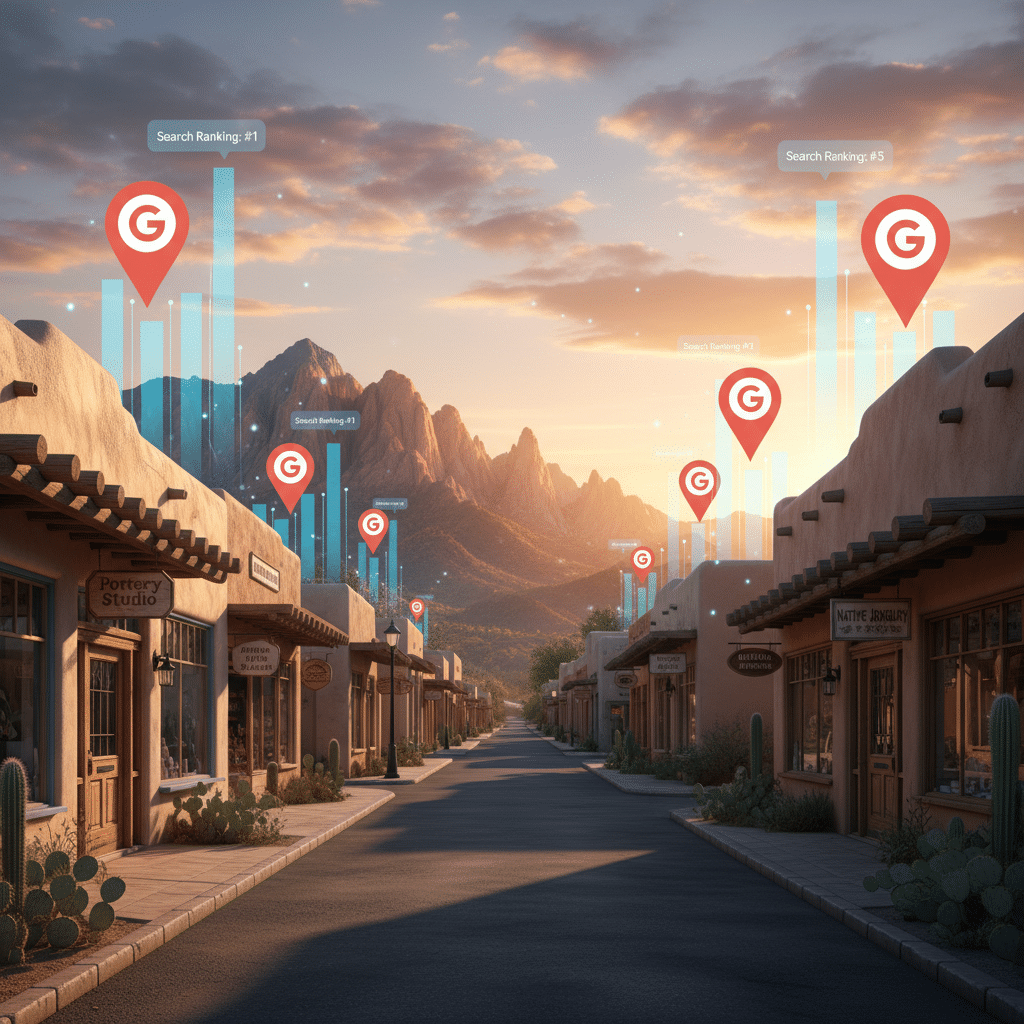
Local search ranking is not accidental. It is the result of consistent signals sent to Google over time — your listing completeness, your citation accuracy, your review velocity, and the relevance of your on-page content. Every one of those signals is controllable.
Increasing Reach Through Integrated Campaigns
Having great reactive web design, strong SEO strategy, and an active social media presence are all important on their own, but they work best when used together. When a business combines these elements, they create a smooth, connected experience that makes a lasting impression on potential customers.
- The Benefits of an Integrated Approach: Picture this: a potential customer searches for a service and finds your business’s website in the top search ranking results. They click the link and are taken to a well-designed, easy-to-navigate site that’s optimized for their device. Then, they follow links to your social media profiles, where they see positive reviews and interesting posts. This experience makes them feel confident in your brand, and they’re more likely to become a customer.
- Increasing Reach and Engagement: When SEO, web design, and social media work together, they each strengthen the others’ impact. SEO brings people to the site, a great design keeps them interested, and social media keeps them coming back. This full-circle strategy not only brings in new customers but also builds a solid reputation. The insights of SEO experts like Rand Fishkin emphasize that a balanced strategy like this can boost ranking factors by improving both user experience and customer engagement.
- Keeping Up with Digital Trends: As digital trends change, having an integrated strategy helps businesses adapt smoothly. With a unified approach, businesses can tweak their web design, SEO, or social media without disrupting the whole strategy, making it easier to stay up-to-date with the latest developments. Web developers today focus on responsive web design and ranking algorithms to keep websites current and adaptable.
Ready to Make Your Business Stand Out Online? In today’s digital world, simply having a website or social media account isn’t enough. To truly shine in 2024, businesses need a powerful, cohesive online strategy that combines web design, SEO, and social media. This integrated approach can drive growth, strengthen customer connections, and build a positive brand image that sets you apart.
Looking to enhance your online presence? Book a free consultation with Design It Right and let’s create a customized strategy that makes your business unforgettable in the online space.
Frequently Asked Questions
About the Author: Mike Jennings is one of the founders and lead developer at Design It Right, a national digital marketing agency. With over 30 years of experience building websites and growing businesses online, Mike has worked with clients across New Mexico, Texas, California, and beyond. Questions? Reach him at [email protected].
The businesses that came out of the 2024 algorithm changes stronger weren't the ones with the most content — they were the ones whose content was actually written by people who knew something.