Design Trends 2025: Web Design That Engages & Converts

The Design Principles That Never Go Out of Style
We’ve redesigned hundreds of websites over 30 years in this business. The sites that actually convert — that turn visitors into leads and leads into customers — follow a set of design principles that haven’t fundamentally changed, even as the technology around them has. In 2026, those principles matter more than ever.
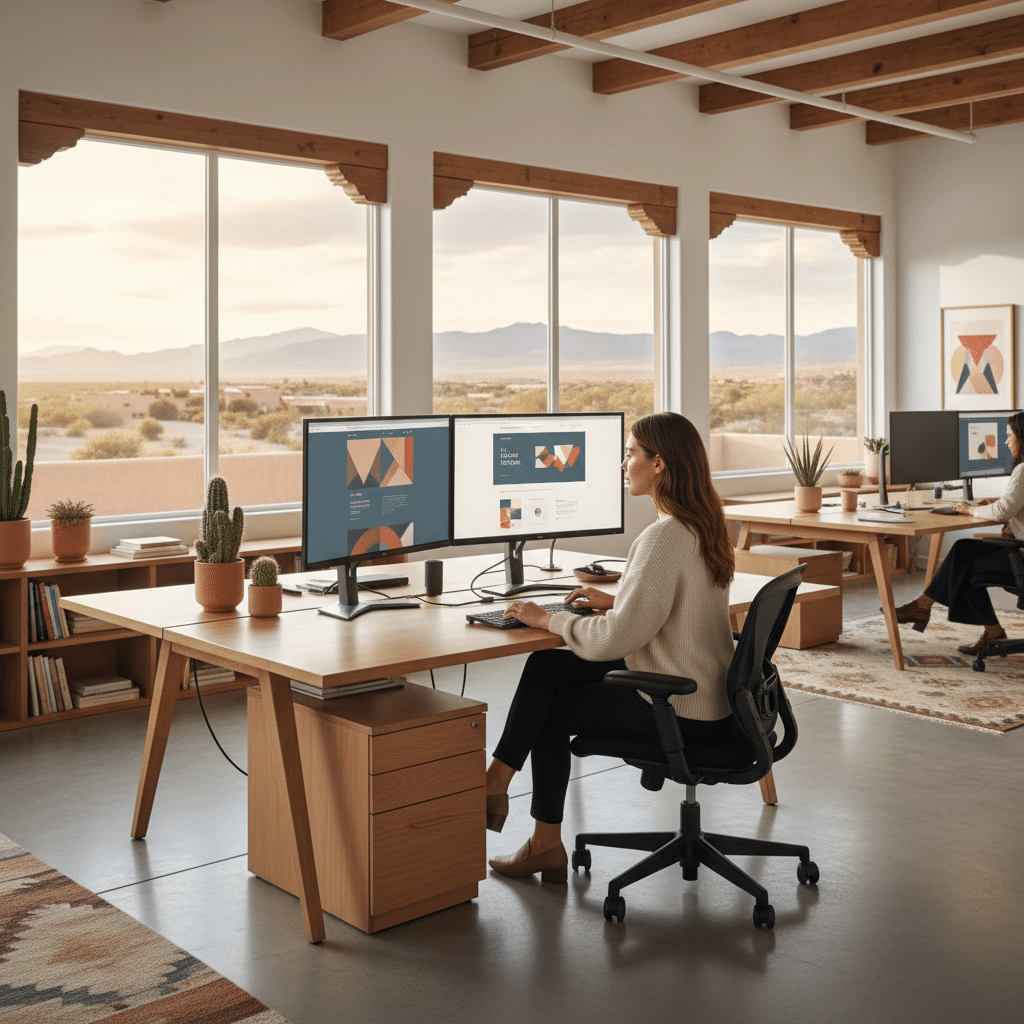
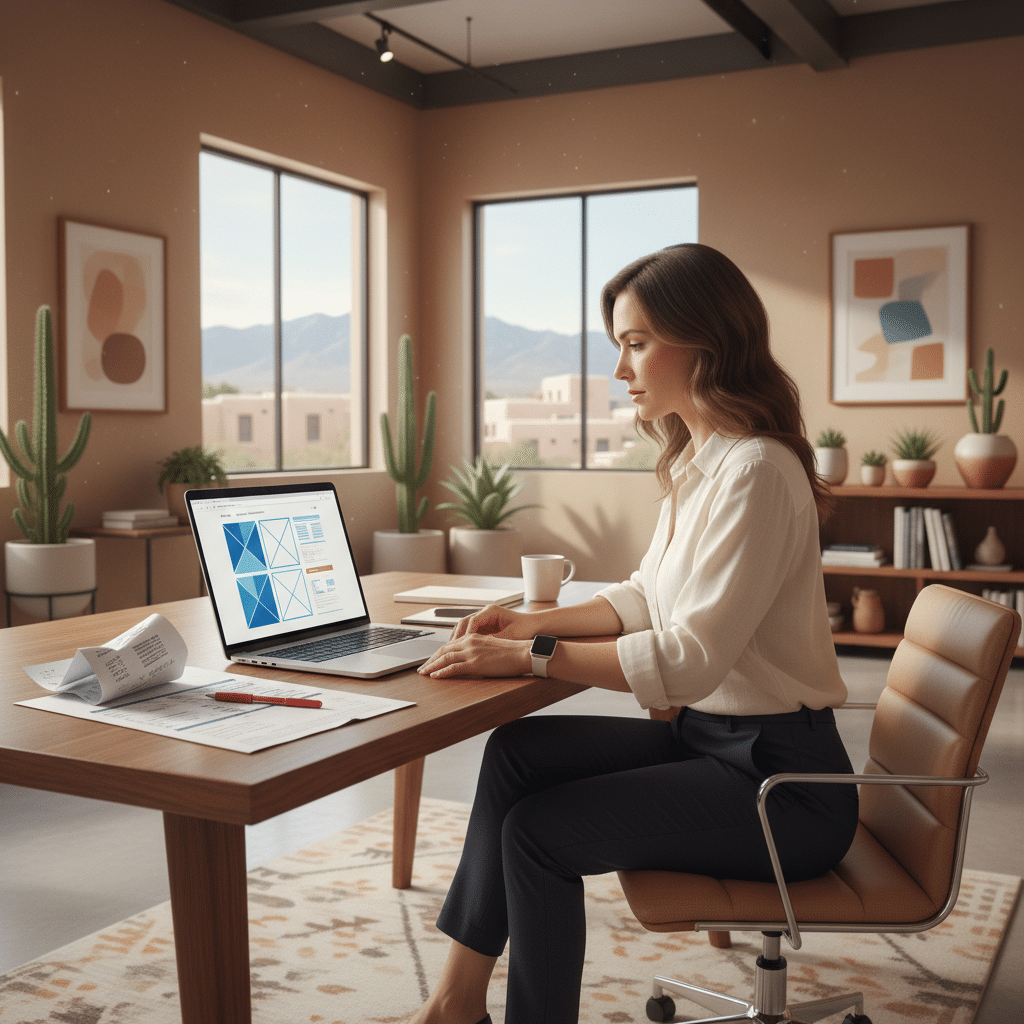
Web design trends in 2025 have moved decisively away from decoration and toward performance — and the businesses that haven’t caught up are feeling it in their bounce rates. Our take: the businesses in Albuquerque losing the most ground right now aren’t the ones ignoring trends — they’re the ones whose websites still look like 2019. Design isn’t aesthetic; it’s conversion infrastructure.
Speed as a Design Element
The Trends Driving Engagement in 2026
These trends aren’t just about making websites look good—they’re about helping businesses grow. A well-designed website encourages visitors to stay longer, interact more, and even buy products or services. If your website feels outdated, you might be losing potential customers. By following these new design trends, you can create a powerful tool to connect with your audience and stand out from competitors.
Top Web Design Trends for 2025
Web design is constantly evolving, and these trends are shaping how websites will look and function in 2025. The future of web design is all about interactivity, accessibility, and a user-first approach. Interactive features make websites feel exciting, accessibility ensures that everyone can use your site, and user-friendly designs make the experience enjoyable for all visitors. These key ideas are driving the way businesses are building their online presence in 2025.
Interactive Websites Are the Future
Interactive websites are one of the biggest trends to watch. Gone are the days of static pages that simply display information. Now, websites are being designed to engage users in new ways. Features like quizzes, animations, and scrolling effects make websites more fun and keep visitors interested.
Interactive Elements That Keep Users Engaged
Dynamic Forms and Conditional Logic
Interactive Maps and Location-Based Features
Visual Design Directions Worth Adopting
Not every trend deserves adoption — but some design directions earn their place because they solve real problems visitors have. In 2026, the trends worth investing in are the ones that reduce friction: faster load times, clearer visual hierarchy, and interactive elements that guide users toward a decision rather than distract them from one.
For small businesses in Albuquerque, the practical focus should be on mobile-first layout refinements, typography that reads cleanly on any screen size, and calls to action that stand out without feeling aggressive. These aren’t flashy changes, but they’re the ones that move conversion rates in a measurable direction.
For example, hover effects that change a button’s color or add movement bring life to your site, while parallax scrolling creates a sense of depth that makes navigation feel dynamic. These elements are not just eye-catching; they also help guide users through your website, making it easier for them to find what they’re looking for.
Examples of Interactive Features for 2025
- Interactive Product Demos: Let users try out your product virtually before they buy.
- Dynamic Forms: Add forms that adjust questions based on the user’s previous answers.
- Interactive Maps: Perfect for businesses with multiple locations, these maps help users explore and find what they need.
- Live Polls or Surveys: Engage your audience by asking for their opinions and showing instant results.
Accessibility for Everyone
Accessibility is another trend that can’t be ignored. A great website should work for everyone, including people with disabilities. This means adding features like alt text for images so screen readers can describe visuals, ensuring the site is fully functional using only a keyboard, and choosing color combinations that are easy to see for people with visual impairments.
Websites that prioritize accessibility reach a broader audience and show that the business cares about inclusivity. Plus, accessible websites are rewarded by search engines like Google, helping them rank higher in search results.
User-Friendly Design
User-friendly design, also known as user-centric design, is all about creating a smooth and intuitive experience for visitors. In 2025, this trend includes responsive design, where websites automatically adjust to fit the screen size of the device being used. Since most people browse the internet on their phones, a mobile-first approach is critical.
Minimalism With Personality: The Balance That Converts
Typography as Brand Voice
Mobile-friendly websites are optimized for fast loading speeds, intuitive navigation, and seamless readability without requiring users to pinch or zoom to view content. Personalization is another part of user-friendly design. Websites can use data to show visitors tailored recommendations, like products they might like or content they’re interested in. This makes the experience feel more personal and relevant.
Checklist for User-Friendly Websites
- Does it load quickly on all devices?
- Is it easy to navigate with a clear menu?
- Does it display properly on mobile, tablet, and desktop?
- Is the typography legible?
- Does each page feature well-defined and strategically placed calls-to-action?
Minimalist Design with a Purpose
Minimalism continues to be a strong trend in 2025. A minimalist design isn’t just about having fewer elements; it’s about using space and simplicity to create focus. Whitespace, or empty space around text and images, helps draw attention to what matters most on a page. Simple navigation menus with clear categories make it easy for visitors to find what they need.
Clean, readable fonts are also important, as they ensure the website looks professional on any device. Minimalist designs make websites look modern and uncluttered, which can help build trust with users.
Eco-Friendly Websites
Eco-friendly websites are becoming increasingly popular as businesses and consumers focus more on sustainability. Green hosting, which uses renewable energy sources, is a great way to reduce your website’s carbon footprint. Optimizing your site for fast loading speeds not only improves user experience but also uses less energy.
Color Psychology for Local Business Branding
Eco-friendly designs that use natural colors and patterns can also send a message to visitors that your business values the environment. This trend not only helps the planet but also appeals to environmentally conscious customers.
Why These Trends Matter
These trends matter because they have a real impact on how people interact with your website and your brand. Interactive websites keep people engaged, which increases the chances that they’ll make a purchase or sign up for a service. Accessible websites ensure that everyone, regardless of their abilities, can use your site, expanding your reach and improving your search engine rankings.
User-friendly design builds trust by showing visitors that you care about their experience. A modern, minimalist website enhances your brand’s image and helps you stand out from competitors. Finally, eco-friendly websites show that your business is forward-thinking and aligned with the values of today’s consumers.
How to Add These Trends to Your Website
Adding these trends to your website might seem overwhelming, but it doesn’t have to be. Partnering with a web design team like Design It Right ensures that your website stays up to date with the latest trends. They can help you create a site that is interactive, accessible, and user-friendly. Regular updates are also important.
Reviewing your site every few months helps you catch any issues like slow pages or outdated designs. Using analytics tools can give you insights into how visitors interact with your site, showing you what’s working and what needs improvement. Focusing on speed is another key step. People expect websites to load quickly, and if your site is slow, visitors are likely to leave.
Compressing images, choosing a reliable hosting provider, and cleaning up unnecessary code are all ways to improve loading times. Security is just as important as speed. A secure website protects user data and builds trust. Features like SSL encryption and regular software updates can keep your site safe from hackers.
The Role of UX Design in Creating Exceptional Websites
Exceptional websites in 2025 rely on a seamless user experience (UX), which is crafted through careful planning and collaboration. Designers create more than just visuals—they shape the way users interact with a website. By focusing on user journeys, design teams identify how users navigate from one page to another and where they might face challenges. This approach, called journey mapping, helps uncover real problems, such as confusing navigation or slow-loading pages, and allows teams to address them effectively.
UX researchers play a vital role in gathering data about user behavior. Through user testing, they observe how real people interact with the website, identifying what works and what doesn’t. These insights guide the development of user personas, fictional profiles that represent the target audience’s preferences, needs, and habits. By using these personas, designers ensure the website meets the expectations of its intended users.
Modern websites also integrate immersive experiences to captivate users. These can include interactive product showcases or virtual tours that let visitors engage deeply with the product or service being offered. Features like dark mode have become a must-have in website design trends, providing an option that is both stylish and easy on the eyes during nighttime browsing.
Every website follows a structured UX design process, which begins in the design phase. During this phase, design teams collaborate to refine design elements, ensuring the website is not only functional but also visually appealing. A website’s success depends on achieving a balance between aesthetics and usability, which is why every team member plays a role in creating a cohesive final product.
A critical aspect of modern web design is interaction design, which focuses on how users engage with buttons, menus, and other interface elements. Combined with a well-planned information architecture, which organizes content logically, these design decisions ensure users can find what they need without confusion. Whether the site is for a blog or an e-commerce platform offering a digital product, clear structure and intuitive navigation are key.
By the end of the design process, the result is a website that combines all these elements into a polished final product. It’s not just a collection of pages; it’s an experience that reflects the brand’s values and caters to its audience’s needs.
How to Stay Ahead of the Competition in 2025
Keeping up with trends is great, but staying ahead of competitors requires a proactive approach. Start by understanding your audience and their needs. What elements do they prioritize most in a website? Is it performance, accessibility, or interactive functionality?
Use data to refine your design choices. Keep an eye on industry leaders for inspiration and analyze what makes their websites successful. Lastly, invest in professional help. An expert web design team can not only implement these trends but also customize them to match your brand identity
Elevate Your Online Presence with 2025's Cutting-Edge Web Design Trends
In 2025, web design trends are all about making websites that engage users, look modern, and work well for everyone. Whether it’s adding interactive features, improving accessibility, or focusing on eco-friendly practices, these trends can help your business succeed. A great website shows your customers that you’re professional, trustworthy, and ready for the future.
If your website could use an upgrade, now is the perfect time to act. Prepared to develop a website that distinguishes itself in 2025? Let Design It Right help you design a site that’s interactive, user-friendly, and accessible. Schedule a free consultation today and discover how we can bring your vision to life.
Frequently Asked Questions
About the Author: Mike Jennings is one of the founders and lead developer at Design It Right, a national digital marketing agency. With over 30 years of experience building websites and growing businesses online, Mike has worked with clients across New Mexico, Texas, California, and beyond. Questions? Reach him at [email protected].
The websites that convert in 2026 aren't the ones with the most animations or the boldest typography. They're the ones where a first-time visitor understands exactly what you do and how to contact you within five seconds.
About the Author: Mike Jennings is one of the founders and lead developer at Design It Right, a national digital marketing agency. With over 30 years of experience building websites and growing businesses online, Mike has worked with clients across New Mexico, Texas, California, and beyond. Questions? Reach him at [email protected].