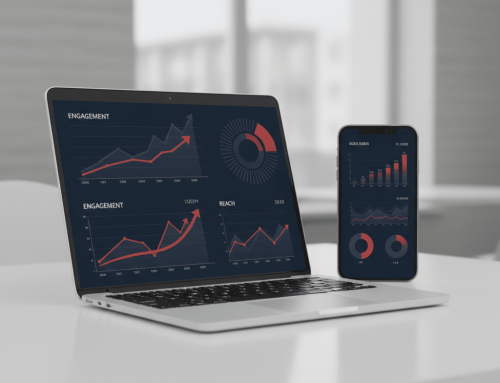
Exploring Digital Marketing for Small Business Growth

Why Most Small Businesses Fail at Digital Marketing
The most common failure mode in small business digital marketing is not a lack of effort — it is a lack of strategy before execution. Businesses post on social media without knowing which platform their customers actually use. They run ads without a conversion-optimized landing page. They publish blog content without keyword research. Each tactic produces some activity, but none of it compounds into results because there is no coordinated direction.
For Albuquerque small businesses, the fix starts with clarity about one thing: which single channel, if optimized and sustained for 90 days, would produce the most measurable impact on revenue? Most businesses can identify the answer if they think about where their best current customers actually came from. Starting there, doing it well, and then expanding is consistently more effective than spreading effort across every channel at once.
The Strategy Gap: Tactics Without Direction
Why Channel Confusion Wastes Budget
The Digital Marketing Channels That Work for Small Businesses
A gift shop owner in Nob Hill told us she’d tried “all the digital stuff” and it never worked. When we asked what she’d actually done, it was two months of Instagram posts and one Facebook ad she set up herself. That’s not digital marketing — that’s digital dabbling. Not because it doesn’t work — but because they went in without a strategy, spent money on the wrong channels, and had nothing to show for it. Digital marketing works. The approach is what fails most businesses.
Digital marketing strategies that work for small businesses are almost never the same ones you read about in case studies written for enterprise brands. Our take: the New Mexico businesses that get the most from digital marketing aren’t doing more — they’re doing less, better. Focused channels beat scattered presence every time.
What Is Digital Marketing for Small Business Growth This blog explores the key digital marketing channels that help small businesses grow, from search engine optimization to pay-per-click ads. We’ll also cover how to set growth-focused goals and build a digital marketing plan that works. Whether you’re just getting started or refining your strategy, this guide will give you practical tools to move your business forward.
Digital marketing has leveled the playing field for small businesses. In the past, reaching a large audience required a big budget for TV, radio, or print ads—methods that were hard to track and often out of reach for smaller brands. Today, digital tools make it possible to reach specific audiences, measure campaign performance, and make changes in real time—all at a much lower cost.
Why Digital Marketing Fuels Small Business Growth Whether you’re running a local bakery or a service-based business, digital marketing allows you to target potential customers who are already searching for what you offer. Platforms like Google, Facebook, Instagram, and YouTube help you promote your products or services directly to the people who are most likely to engage with them. And unlike traditional marketing, every click, view, or sign-up can be tracked, giving you the ability to test, adjust, and optimize your campaigns for better results.
This targeted approach means you can spend smarter, not more. You’re not just throwing ads into the wind—you’re placing them in front of the right people at the right time. As a result, you can grow your customer base, strengthen your brand’s online presence, and ultimately drive more sales—all while staying within budget.
Digital Marketing Channels That Drive Growth When it comes to digital marketing for small business growth, success begins with choosing the right channels. Each platform plays a unique role in attracting, converting, and retaining existing customers. The key is to understand how they work together—and how they fit your business goals.
Search Engine Optimization (SEO) SEO is the foundation of digital visibility. When someone searches for your products or services, a well-optimized website helps your business appear higher in search results. Local SEO takes this a step further by helping your business show up in “near me” searches, putting you in front of customers who are ready to buy. Updating meta tags, improving page speed, and publishing relevant content can boost rankings and drive consistent traffic.
Paid Search: Fast Results With Careful Management
Social Media: Community Before Conversion
Platforms like Facebook, Instagram, and LinkedIn are excellent for building brand awareness and connecting with your local audience. Sharing behind-the-scenes content, promotions, or customer testimonials helps humanize your brand. Paid ads on these platforms can also increase visibility and drive leads—especially when you use geotargeting or audience interests to narrow your reach.
Marketing Social Media Platforms Email Marketing Email remains one of the most cost-effective digital marketing channels. Whether you’re sending out newsletters, promotions, or personalized follow-ups, email helps you stay top-of-mind with your audience. Tools like Mailchimp or Constant Contact let you automate campaigns, track performance, and segment your audience based on interests or buying behavior.
Content Marketing
Blog posts, videos, FAQs, and guides allow you to educate your audience while boosting your SEO. Creating helpful content that answers real customer questions builds trust and positions your business as an expert. It’s a long-term strategy that attracts organic traffic and improves conversion rates.
Pay-Per-Click (PPC) Advertising Google Ads and social media ads deliver instant visibility. Unlike SEO, which builds over time, PPC gets you to the top of search results quickly. With the right targeting and messaging, even a small ad budget can yield a strong return on investment.
For example, a local plumber could use PPC to appear at the top of Google when someone nearby searches “emergency plumber.” Each of these channels supports different stages of the customer journey—from discovery to conversion to repeat business. A smart digital strategy leverages the right mix based on your goals and budget.
Before launching any digital marketing campaign, it's important to know what you’re trying to achieve. Setting clear, specific goals helps guide your strategy, shape your budget, and measure success over time. Start by aligning your marketing goals with your overall business objectives.
Are you trying to generate more leads? Increase online sales? Drive traffic, even foot traffic to your store? Each goal will point you toward the most effective digital channels.
For example, if your goal is to increase web traffic, focusing on SEO and content marketing might be the right move. If you’re aiming to grow your email list, a lead generation campaign with a landing page and incentive could help. Use the SMART framework to create goals that are:
- Specific – Clearly define what you want to achieve (e.g., gain 200 new email subscribers).
- Measurable – Make sure you can track progress with tools like Google Analytics or your CRM.
- Achievable – Set realistic targets based on your business size and resources.
- Relevant – Align your goal with your business growth needs.
- Time-bound – Set a deadline (e.g., within 90 days).
Clear goals keep your marketing focused and help you avoid wasting time or money on tactics that don’t drive measurable results. They also make it easier to evaluate your results and refine your approach as your business grows.
How to Build a Growth-Focused Digital Marketing Plan
Setting Digital Goals That Align with Business Growth A successful digital marketing strategy doesn’t just happen—it starts with a well-thought-out plan tailored to your goals, your customers, and your long-term growth. With the right structure in place, you can build a marketing engine that supports your business month after month. Here’s how to put that plan together:
1. Define Your Target Audience Begin by identifying exactly who you're trying to reach. Think beyond basic demographics like age and location—consider their real problems, motivations, spending habits, and how they prefer to engage online. The better you understand your audience, the more compelling and relevant your messaging will be across every channel.
2. Choose the Right Marketing Channels Your goals should determine your platform choices. Want to drive consistent organic traffic? SEO and content marketing can build visibility over time. Need faster results? Paid advertising and email campaigns can generate leads more quickly. Focus your efforts on the channels where your audience already spends time and where your content can make the biggest impact.
3. Create a Content Plan Great content builds trust, answers questions, and drives action. Whether it's blog posts, short-form videos, social media platform updates, or email newsletters, aim to provide value with every piece. Map out your content in a calendar to stay consistent, and be sure to align topics with the needs and interests of your ideal customer.
4. Set a Realistic Budget Determine how much you can invest each month and distribute that budget based on your priorities. Even with a modest amount, smart spending can deliver meaningful results. Start by allocating funds toward high-return areas like Google Ads, email marketing tools, or strategic SEO improvements, and gradually scale up based on performance.
5. Track Performance and Adjust Regularly Once your plan is in motion, tracking results is essential. Use tools like Google Analytics, social media marketing insights, and email platforms to monitor metrics like website traffic, conversion rates, engagement levels, and cost-per-lead. Analyze what’s working, double down on effective tactics, and pivot when something’s not delivering as expected.
Don’t Expect Overnight Results The best digital marketing plans are long-term. Building brand authority, nurturing leads, and generating consistent growth takes time—but it’s worth the effort. By staying focused, tracking data, and optimizing over time, your digital marketing plan becomes a reliable driver of business success.
Digital marketing gives small businesses the power to compete, connect, and grow like never before. Whether you’re just starting out or looking to scale, choosing the right channels and staying consistent with your message can help you build long-term customer relationships and sustainable growth.
You don’t need to do everything at once. Start small—pick one or two strategies that align with your audience and goals, then track your results and build from there. Over time, a well-executed digital marketing plan becomes one of your most valuable business assets.
If you’re ready to create a digital strategy that works for your business, Design It Right is here to help. From SEO to social media, we’ll help you craft a growth-focused approach that fits your goals and your budget.
Contact us today to take the next step in growing your business through digital marketing.
Frequently Asked Questions
Moving Forward with a Digital Strategy That Drives Growth About the Author: Mike Jennings is one of the founders and lead developer at Design It Right, a national digital marketing agency. With over 30 years of experience building websites and growing businesses online, Mike has worked with clients across New Mexico, Texas, California, and beyond. Questions? Reach him at [email protected].
About the Author: Mike Jennings is one of the founders and lead developer at Design It Right, a national digital marketing agency. With over 30 years of experience building websites and growing businesses online, Mike has worked with clients across New Mexico, Texas, California, and beyond. Questions? Reach him at [email protected].