Essential Digital Marketing Tools Every Small Business Needs
The Core Toolkit Every Albuquerque Small Business Needs
Most Albuquerque small businesses need far fewer tools than the marketing industry suggests. A fully optimized Google Business Profile, a fast and mobile-responsive website with clear calls to action, an email marketing platform, and a basic analytics setup covers the majority of what drives local customer acquisition. Everything beyond that is an addition, not a foundation.
The temptation to add tools before the foundation is working consistently is one of the most common reasons small business marketing underperforms. More tools do not produce more results if the core channels are not producing results yet. Master the basics before scaling complexity.
A contractor in Bernalillo County asked us last year what tools he actually needed to get found online. Not what was trending — what would move the phone. The answer was simpler than he expected, and cheaper than the stack he’d already built. Whether you’re launching a new service, building an
Email Marketing Platform: Build the List From Day One
email list, or trying to grow your local reach, having the right digital tools can make all the difference. But with so many platforms out there—each one claiming to be the solution you can’t live without—it can be hard to separate the essentials from the distractions.
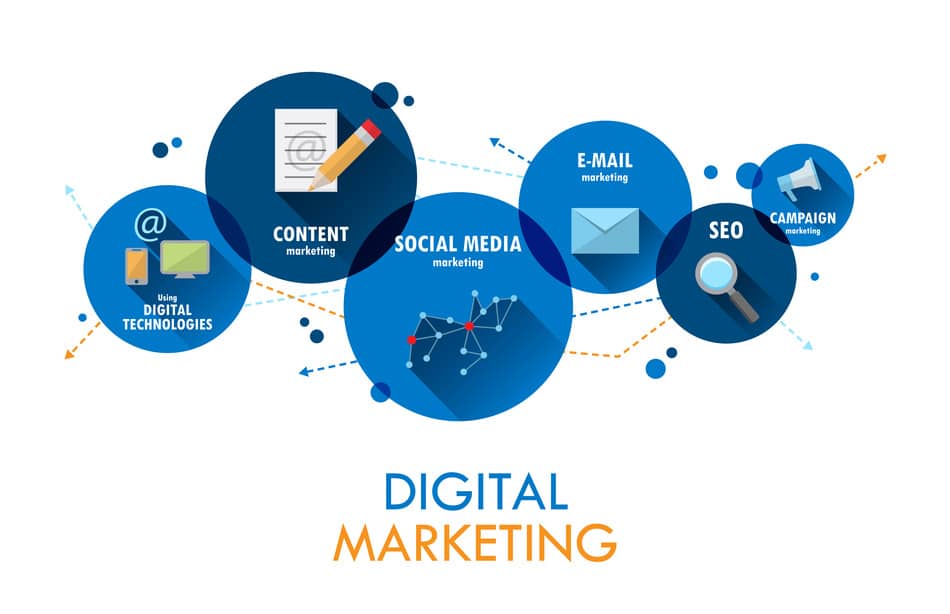
The truth is, successful marketing doesn’t come from using every tool on the market. It comes from selecting the right ones that align with your business goals, simplify your workflow, and help you stay consistent across all your marketing channels. This guide breaks down the essential digital marketing tools every small business owner needs to build momentum, expand visibility, and increase return on investment.
About the Author: Mike Jennings is one of the founders and lead developer at Design It Right, a national digital marketing agency. With over 30 years of experience building websites and growing businesses online, Mike has worked with clients across New Mexico, Texas, California, and beyond. Questions? Reach him at [email protected].
According to Google Analytics 4 overview, understanding which tools and strategies deliver measurable results is the first step toward building a sustainable marketing operation for your small business. Choosing the wrong one early means rebuilding your workflow later — a cost most small businesses can’t afford.
The marketing software landscape is built to sell you complexity. Most small businesses use a fraction of what they pay for and lack the time to learn the rest. The question is not which tool has the most features — it is which one your team will actually use consistently.
Start with the channels driving the most leads today and build infrastructure around those before expanding to anything new. About the Author: Mike Jennings is one of the founders and lead developer at Design It Right, a national digital marketing agency. With over 30 years of experience building websites and growing businesses online, Mike has worked with clients across New Mexico, Texas, California, and beyond. Questions? Reach him at [email protected].
You don’t need twelve tools to market a small business. You need three that you use consistently. The businesses outperforming their budgets in New Mexico are almost always running lean stacks, not complex ones.
Our experience: New Mexico businesses that grow consistently aren’t using the most tools — they’re using the right three or four and becoming expert at them. Simplicity is a competitive advantage most businesses overlook.
Our experience: New Mexico businesses that grow consistently aren’t using the most tools — they’re using the right three or four and becoming expert at them. Simplicity is a competitive advantage.
Frequently Asked Questions
About the Author: Mike Jennings is one of the founders and lead developer at Design It Right, a national digital marketing agency. With over 30 years of experience building websites and growing businesses online, Mike has worked with clients across New Mexico, Texas, California, and beyond. Questions? Reach him at [email protected].