Graphic Revision Design: Perfecting Your Creative Projects
Graphic revision design is a key part of creating great designs. It helps make sure the final product matches the client’s needs and looks its best. Revisions let designers adjust fonts, colors, layouts, and images to make everything work perfectly. Whether it’s updating a logo, improving a website, or adjusting marketing materials, revisions ensure that the client‘s goals are met.
Why the Revision Process Defines Project Success
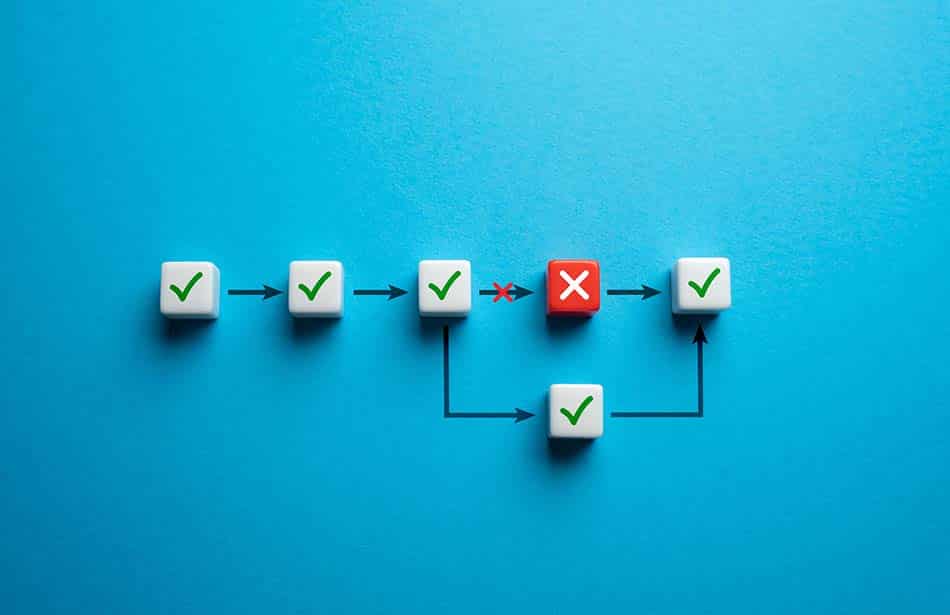
The revision process is where most creative projects either succeed or fall apart. A clear, structured revision workflow protects both the client and the designer — it prevents scope creep, eliminates ambiguity about what was requested, and ensures that feedback translates into actionable changes rather than repeated back-and-forth.
For businesses commissioning design work in Albuquerque, asking about a firm’s revision process before signing is one of the most important questions you can ask. How many rounds are included? What format should feedback take? Who is the single point of contact for approvals? The answers reveal whether a firm has a professional process or is making it up as they go.
Clear Scope Prevents Revision Creep
How to Give Design Feedback That Works
Effective design feedback is specific, objective, and tied to the purpose of the piece. The most useful feedback a client can give is not ‘I do not like it’ or ‘make it pop more’ — it is ‘this button is not visible enough against the background color and our primary goal is getting visitors to click it.’ That kind of feedback gives the designer something actionable to work with and keeps the revision focused on outcomes rather than preferences.
Before every review session, identify the one or two things that matter most for the piece to succeed — conversion, clarity, brand alignment — and evaluate the design against those criteria first. Aesthetic preferences are secondary. A design that achieves its business objective cleanly is a successful design, even if it is not the style you would have chosen intuitively. Great clients understand this distinction, and it produces better work faster.
Graphic design revision is where most creative projects either gain clarity or fall apart — and how you manage that process determines the outcome. In our experience, revision process is where most design projects succeed or fail. Clear feedback rounds, defined scope, and mutual respect for the brief are what separates a smooth project from a drawn-out one — for businesses in Albuquerque and everywhere else.
Both businesses and designers need to understand why revisions are important and what can be changed during the design process to deliver the best results. Why Graphic Revision Design Matters Revisions in graphic design are more than just fixing mistakes. They are about making the design better and more effective. Here’s why they matter:
- Improves Quality: Revisions make the design look polished and professional. Changes to things like fonts or image placement help create a final product that is both attractive and effective.
- Matches Client Goals: Revisions ensure the design reflects what the client wants, from the color scheme to the overall style.
- Encourages Teamwork: Revisions allow the designer and client to work together, sharing ideas and improving the design.
Without revisions, even a strong design might not meet its full potential or align with the client’s vision. The Design Revision Process: Steps to Success A clear revision process makes it easier to improve designs. Here are the main steps: 1. Create the First Draft
The designer starts by creating the first version of the design based on the client’s instructions. This draft includes key elements like fonts, colors, and layout.
2. Gather Client Feedback The client looks at the draft and shares their thoughts. They might point out changes like adjusting a font, moving an image, or changing a color.
3. Make Revisions
The designer uses the client’s feedback to improve the design. This could include resizing elements, tweaking colors, or adjusting text placement. Some designs may go through several rounds of revisions.
The Final Approval Checklist Before Delivery
4. Get Final Approval Once all changes are made, the client approves the design. This makes sure the client is happy with every part of the final product.
Each step ensures that revisions are clear, organized, and lead to a great final result.
What Can Be Changed?
According to SBA branding guidance, consistent digital marketing investment is the single biggest predictor of small business growth over a 12-month period.
Revisions allow designers to make changes that improve the design. A revision means making a change to part of the design, usually less than 1/4 of the total layout. Common changes include:
- Typography: Changing font styles, sizes, or weights to better match the project’s tone.
- Color Schemes: Adjusting colors to fit the brand or create the right mood.
- Image Placement: Moving or resizing images to balance the layout and improve how it looks.
- Layouts: Rearranging elements to make the design easier to read and follow.
- Visual Effects: Adding or changing effects like shadows, gradients, or textures to make the design stand out more.
These adjustments can take a design from good to exceptional, creating a result that truly shines. Managing the Number of Revisions It’s important to set clear expectations about how many revisions the project cost includes. This helps keep the process organized. Here’s how:
- Set Limits: Most projects allow for a specific number of revisions. This ensures that feedback stays focused and the process doesn’t drag on.
- Ask for Clear Feedback: Clients should share specific ideas, like “make the font bigger” or “use a different shade of blue.”
- Focus on Key Changes: Revisions should target the parts of the design that will have the biggest impact.
By managing revisions well, the process stays efficient and productive. The Power of Graphic Revision Design Graphic revision design is essential for creating outstanding results. By adjusting fonts, colors, layouts, and more, revisions ensure the final product looks professional and matches the client’s vision. A clear process and teamwork make revisions an important part of every successful design project.
Revisions aren’t just changes—they’re opportunities to make designs the best they can be. Contact us today to bring your ideas to life with expert graphic revision design!
Frequently Asked Questions
How Design It Right Structures Revision Rounds
About the Author: Mike Jennings is one of the founders and lead developer at Design It Right, a national digital marketing agency. With over 30 years of experience building websites and growing businesses online, Mike has worked with clients across New Mexico, Texas, California, and beyond. Questions? Reach him at [email protected].
The revision process is where most design projects go wrong — not because the designer made mistakes, but because the feedback was subjective, late, or contradictory. Fixing that is the client's responsibility as much as the designer's.
About the Author: Mike Jennings is one of the founders and lead developer at Design It Right, a national digital marketing agency. With over 30 years of experience building websites and growing businesses online, Mike has worked with clients across New Mexico, Texas, California, and beyond. Questions? Reach him at [email protected].