What Small Businesses Need to Know About Local SEO
What Local SEO Is and How It Works
Picture this: someone in Albuquerque’s Northeast Heights searches “massage therapist near me” on their phone. Three businesses appear. Yours isn’t one of them — even though you’re two miles away and you’ve been open for six years. That’s not a quality problem. That’s a local SEO problem, and it’s more fixable than most business owners realize.
Local (Search Engine Optimization) SEO is a strategy that helps your business show up when nearby customers are looking online for what you offer. It focuses on improving your visibility in local search results — and in our experience working with New Mexico businesses, it consistently outperforms paid ads for sustained, long-term lead generation.lts—especially on Google Maps and the “Local Pack” listings.
For small businesses, local SEO levels the playing field. You don’t need a massive budget to rank high—you just need the right strategy. In this blog, we’ll explain what local SEO is, how it differs from traditional SEO, and what small businesses can do today to improve their local rankings and bring in more local customers.
What Is Local SEO?
Local SEO is the process of optimizing your business to show up in search results when people nearby are looking for your products or services. If someone types “coffee shop near me” or “plumber in Albuquerque,” local SEO determines which businesses appear at the top of Google’s results.
Unlike traditional SEO, which focuses on improving rankings across broad search terms, local SEO narrows the focus to location-based searches. It relies on signals like your address, service area, customer reviews, and proximity to the person searching.
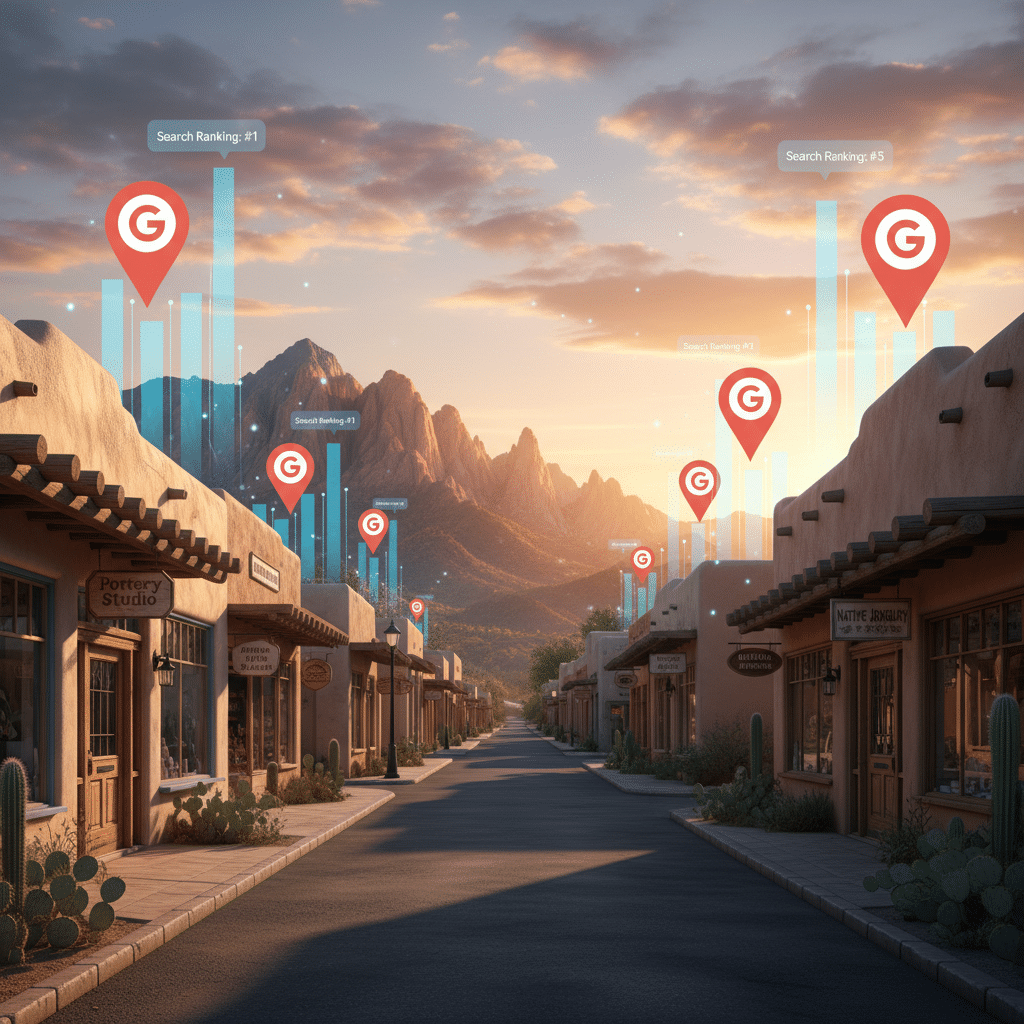
A key feature of local SEO is the Google Local Pack—the box of three business listings with a map that appears at the top of many local searches. Getting your business into that top three can drive significant traffic, phone calls, and foot traffic to your location.
Google uses several factors to decide who ranks, including the accuracy of your business information, the quality and quantity of your reviews, and the relevance of your website content. This makes it essential for small businesses to keep their profiles updated, build local links, and publish relevant content that reflects their location and services.
What Small Businesses Need to Know About Local SEO
Mastering local SEO helps ensure your business is seen by the people most likely to walk through your door. For small businesses, local SEO isn’t just helpful—it’s essential. That’s because people searching for services in their area are often ready to take action. Whether they need a haircut, a plumber, or a new lunch spot, local customers tend to make quick decisions based on what they find in search results.
Studies show that nearly 80% of local searches on mobile devices lead to a purchase within 24 hours. Even more compelling—over 50% of “near me” searches result in a store visit. This means ranking well in local market search could directly translate to increased foot traffic, more phone calls, and higher sales.
Local SEO also levels the playing field. You don’t need a massive marketing budget to outrank big-name companies in your area. If your website is optimized for your location, your Google Business Profile is complete, and your reviews are strong, your business can show up before national competitors in search results.
Completing Every Section of Your Profile
Photos, Posts, and Activity Signals
Hours, Services, and Q&A: Don’t Leave Them Blank
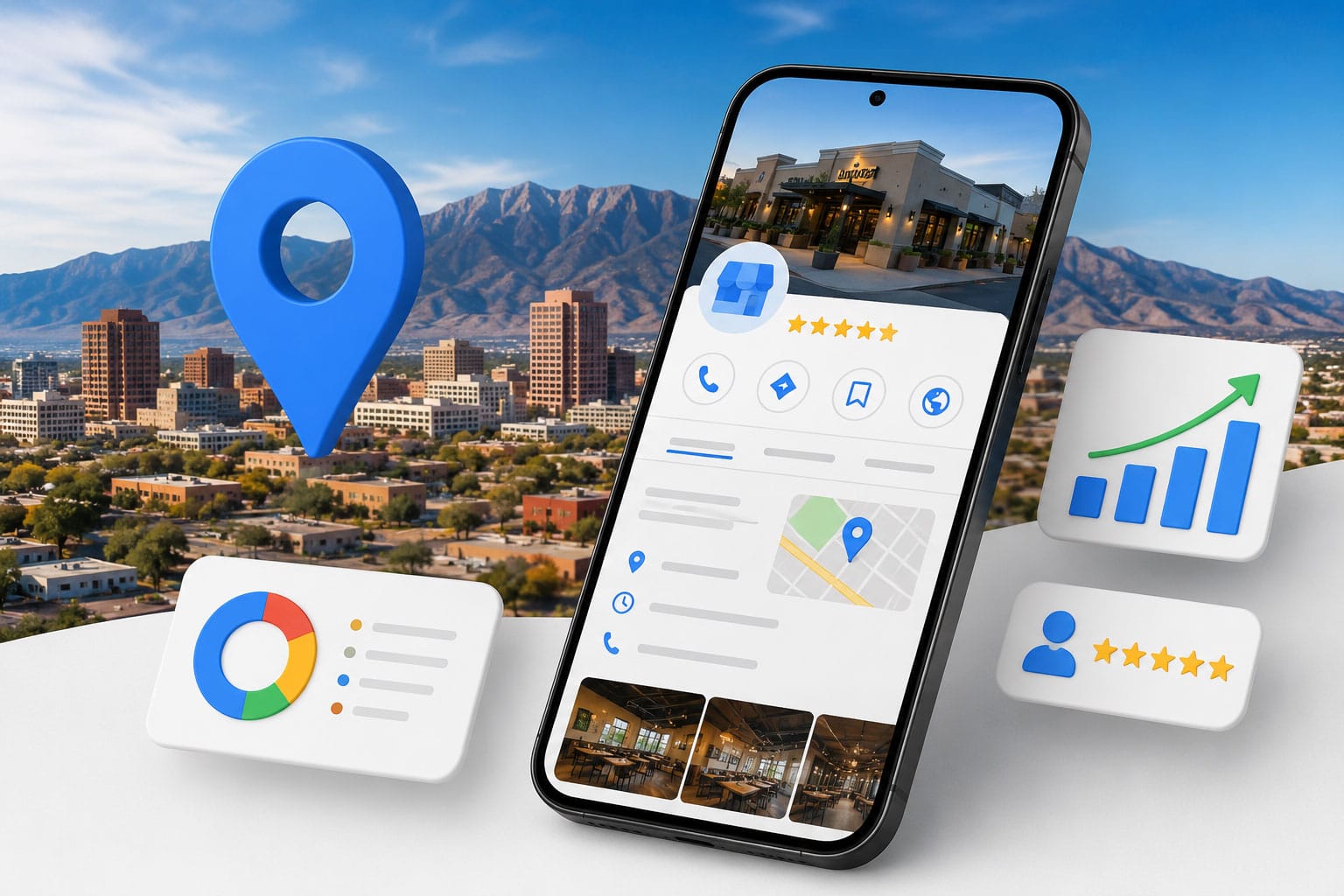
Your Google Business Profile (formerly known as Google My Business) is one of the most powerful tools for local SEO. When people search for your business—or even for services you offer in your area—your profile is often the first thing they see. That’s why it needs to be accurate, complete, and optimized to attract clicks and conversions.
Start by claiming and verifying your profile at google.com/business. Google will walk you through a simple process to confirm you own the business, usually by sending a postcard or calling your listed phone number. Once verified, focus on the key areas that impact your visibility:
- Business Name – Use your real-world name without keyword stuffing.
- Category – Choose the most accurate category that describes your business (e.g., “Plumber,” “Coffee Shop,” or “Marketing Agency”).
- Hours – Make sure your business hours are correct and update them for holidays or special events.
- Photos – Upload high-quality images of your storefront, team, and products.
- Description – Write a short summary of your services using relevant keywords naturally.
Encourage happy customers to leave reviews and respond to them professionally. Positive reviews boost trust and help your listing stand out in local search results and Google Maps.
In a world where most people turn to Google before making a decision, appearing in local searches gives small businesses a huge opportunity to grow their customer base—right in their own backyard. Creating A Google Business Profile & Optimization Website Optimization for Local SEO Strategies Once your Google Business Profile is in place, your website becomes the next key player in local search visibility. A well-optimized website helps Google understand what you do and where you’re located—so it can match your business with the right local searches.
Start by using location-based local keywords throughout your website. These include your city, neighborhood, or service areas in headings, page titles, and naturally within your content. For example, a bakery in Albuquerque might use phrases like “custom cakes in Albuquerque” or “Nob Hill birthday cake delivery.”
Consider creating location-specific pages if you serve multiple areas. Each page should have unique content about services in that location. You can also include a local FAQ section that answers common questions specific to your area or customer base.
Beyond content, mobile-friendliness and page speed also matter. More than half of local searches happen on smartphones, so your site needs to load quickly and display well on smaller screens. Use free tools like Google’s PageSpeed Insights to test and improve your site’s performance.
Finally, make your contact information easy to find, and be sure it matches your Google Business Profile. This consistency builds trust with both Google and your potential customers.
Other Ways to Boost Local Rankings Beyond website optimization and a complete Google Business Profile, there are additional steps small businesses can take to improve their local SEO rankings. These strategies may seem small on their own, but together, they create a strong foundation for long-term visibility.
According to BrightLocal Local Consumer Review Survey, consistent digital marketing investment is the single biggest predictor of small business growth over a 12-month period.
Citations, Reviews, and On-Page Signals
Submit Your Business to Trusted Local Directories Citations—mentions of your business name, address, and phone number (NAP)—are critical for building trust with search engines. Listing your business on platforms like Yelp, Bing Places, Apple Maps, Nextdoor, the Better Business Bureau, and local chamber directories helps Google validate your business’s legitimacy and location. Be sure to complete every listing with accurate contact information, business categories, and photos to maximize effectiveness.
Keep Your NAP Consistent Across the Web Search engines rely on consistent NAP data to associate all of your business’s online mentions with a single location. Something as small as spelling out "Suite" in one place and abbreviating it as “Ste.” elsewhere can create confusion. Standardizing this information across your website, directories, social media profiles, and even your email footer helps reinforce your brand’s credibility and authority in your target audience’s location.
Earn High-Quality Local Backlinks Backlinks continue to be one of the most important ranking factors for SEO—and local links are especially valuable. Reach out to community websites, local blogs, nearby business partners, or news outlets for backlink opportunities. Sponsor local events, offer expert interviews, or collaborate on community projects to gain these valuable links. The more authoritative the referring site, the greater the impact on your search visibility.
Add Local Schema Markup to Your Website Schema markup is a type of code added to your website to help search engines better understand your business. When you implement Local Business Schema, you’re telling Google specific details like your business type, hours of operation, address, and service area. This can improve how your business appears in search results and make it more likely to appear in the local pack or rich snippets.
On-Page Local SEO: What Your Website Must Have
Embed a Google Map on Your Website Adding an interactive Google Map to your website, especially on your Contact or About page, reinforces your location data. It not only helps users find your business more easily, but also strengthens your local SEO signals to Google. Pair the map with written directions or a short paragraph about your location to further enhance user experience and on-page optimization.
Get Involved in Local Online Communities Engaging with local audiences on platforms like Facebook Groups, Reddit communities, or neighborhood forums can increase your brand visibility and earn valuable mentions. These digital word-of-mouth opportunities help generate referral traffic and local brand awareness that search engines recognize.
Local SEO isn’t just a buzzword—it’s a powerful way to connect with customers who are actively searching for the services you provide in your area. From optimizing your Google Business Profile to maintaining NAP consistency and earning local backlinks, every step you take helps increase visibility, drive foot traffic, and grow your customer base.
While results don’t happen overnight, consistent effort can lead to lasting gains in local search rankings. The key is to start small, stay consistent, and use tools that align with your goals.
Ready to attract more local customers and improve your rankings?
? Contact Design It Right today for expert local SEO audits, setup, and strategy tailored to small businesses right here in New Mexico.
Frequently Asked Questions
Grow Your Local Visibility with Smarter SEO About the Author: Mike Jennings is one of the founders and lead developer at Design It Right, a national digital marketing agency. With over 30 years of experience building websites and growing businesses online, Mike has worked with clients across New Mexico, Texas, California, and beyond. Questions? Reach him at [email protected].
Local SEO isn't complicated. It's just consistent. Most businesses fail at it not because the strategy is hard but because they set up the basics and never touch them again.
About the Author: Mike Jennings is one of the founders and lead developer at Design It Right, a national digital marketing agency. With over 30 years of experience building websites and growing businesses online, Mike has worked with clients across New Mexico, Texas, California, and beyond. Questions? Reach him at [email protected].